

Nintendo, a name synonymous with gaming innovation, has a history that spans over a century. I had no idea they started with playing cards! It’s amazing how far they’ve come from that simple beginning.
Founded in 1889 in Kyoto, Japan, the company’s journey from a small playing card manufacturer to one of the most influential forces in the video game industry is nothing short of extraordinary. The name Nintendo comes from the Japanese kanji 任天堂 (pronounced Nin-ten-dō).
The meaning is often interpreted as:
- 任 (nin): “entrusted” or “responsibility.”
- 天 (ten): “heaven.”
- 堂 (dō): “hall” or “temple.”
When combined, the name is commonly translated as “Leave luck to heaven” or “The temple of free fortune,” although interpretations vary slightly. The exact intention behind the name remains a topic of debate, but it reflects a sense of aspiration and destiny.
Humble Beginnings: The Playing Card Era
Nintendo was established by Fusajiro Yamauchi as a producer of handmade Hanafuda playing cards. These cards were originally used for traditional Japanese games and gained popularity for their high quality and unique designs. The company thrived locally, but by the mid-20th century, the demand for playing cards began to wane. This decline prompted Nintendo to explore new business opportunities.
Diversification and Early Ventures
In the 1960s, under the leadership of Hiroshi Yamauchi, Nintendo’s third president, the company ventured into diverse industries. These included a taxi service, instant rice, and even a chain of love hotels. While these initiatives were short-lived, they demonstrated Nintendo’s willingness to innovate and adapt.
In the same decade, Nintendo began experimenting with toys and electronic products. The Ultra Hand, an extendable arm toy, became a commercial success and marked the company’s initial foray into the entertainment market. This period also saw Nintendo’s first steps into the gaming industry, as it began producing electronic gaming devices.
The Dawn of Video Games
The 1970s marked a pivotal turning point for Nintendo. Inspired by the growing popularity of arcade games, Nintendo entered the video game market with titles like EVR Race. However, it was Donkey Kong in 1981, designed by the now-legendary Shigeru Miyamoto, that catapulted the company into international fame. This arcade game introduced the world to Jumpman, who would later be renamed Mario, and laid the foundation for Nintendo’s reputation as a creative powerhouse.
Revolutionizing Home Entertainment: The NES Era
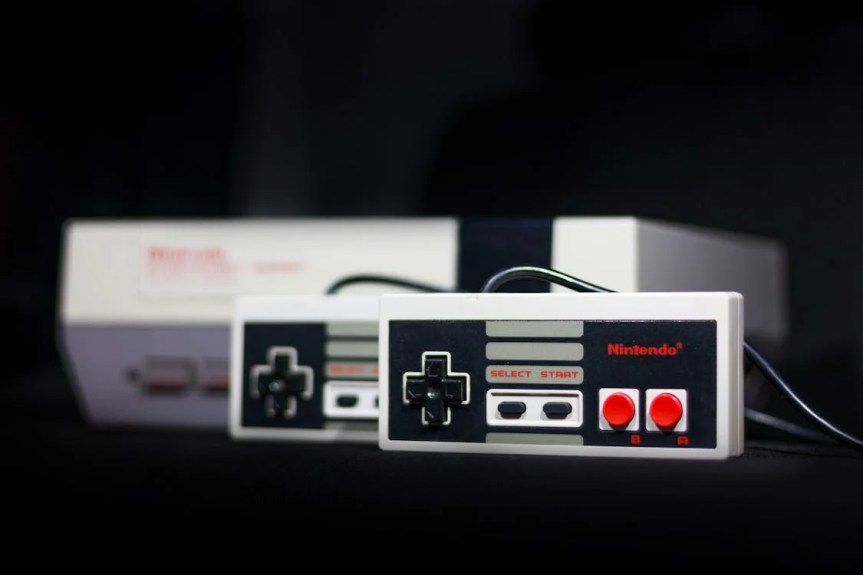
In 1983, Nintendo launched the Famicom (Family Computer) in Japan, a home console that allowed players to enjoy arcade-quality games in their living rooms. Two years later, the console was released in North America as the Nintendo Entertainment System (NES). The NES was an instant hit, thanks in part to iconic games like Super Mario Bros., The Legend of Zelda, and Metroid.
The NES’s success was driven by its innovative use of cartridges, which made it easy to switch between games, and a strict quality control program that ensured high standards for third-party titles. By the end of the 1980s, Nintendo had established itself as a global leader in home gaming.
Expanding Horizons: The Game Boy and Beyond
In 1989, Nintendo unveiled the Game Boy, a handheld console that revolutionized portable gaming. Its compact design, affordable price, and enduring titles like Tetris and Pokémon made it an instant classic. The Game Boy’s success reinforced Nintendo’s dominance in the gaming industry and showcased its ability to innovate across different platforms.
During the 1990s, Nintendo continued to push boundaries with the release of the Super Nintendo Entertainment System (SNES), which brought improved graphics and deeper gameplay experiences. Games like Super Mario World and The Legend of Zelda: A Link to the Past became defining titles of the era.

Facing Competition and Innovation
As the gaming landscape evolved, Nintendo faced stiff competition from rivals like Sega, Sony, and later Microsoft. The mid-1990s saw the launch of the Nintendo 64 (N64), which introduced 3D gaming and analog controls through its unique controller. Titles like Super Mario 64 and The Legend of Zelda: Ocarina of Time remain celebrated milestones in gaming history.
In the early 2000s, Nintendo released the GameCube, which, despite its innovative design and library of quality games, struggled against the PlayStation 2 and Xbox. However, Nintendo’s resilience and commitment to creativity ensured its continued relevance.
The Wii Phenomenon and a New Era
Nintendo’s fortunes soared again in 2006 with the release of the Wii. The console’s motion-sensing controls and accessible gameplay appealed to a broad audience, including non-traditional gamers. Titles like Wii Sports and Mario Kart Wii became cultural phenomena, propelling Nintendo back to the forefront of the industry.
Around the same time, Nintendo expanded its handheld dominance with the Nintendo DS and later the 3DS, introducing dual screens and touch-based gameplay. These consoles brought new gaming experiences to millions and solidified the company’s leadership in portable gaming.
The Switch and Modern Success
In 2017, Nintendo launched the Switch, a hybrid console that could function as both a home and portable gaming system. The Switch’s versatility and an impressive lineup of games, including The Legend of Zelda: Breath of the Wild and Animal Crossing: New Horizons, made it an instant hit. The console’s success demonstrated Nintendo’s ability to adapt to changing consumer preferences while maintaining its unique identity.

A Legacy of Innovation
Today, Nintendo continues to shape the gaming industry with its focus on creativity, accessibility, and timeless characters. From Mario to Link, from the NES to the Switch, Nintendo’s journey reflects a commitment to pushing boundaries and delivering joy to generations of gamers.
With over a century of history, Nintendo remains a testament to the power of innovation and perseverance. As the company looks to the future, its legacy as a pioneer and trailblazer in the world of gaming is firmly cemented.
Discover more from Play It Again Mam
Subscribe to get the latest posts sent to your email.
 Play It Again Mam
2 thoughts on “The History of Nintendo: From Playing Cards to Gaming Giants”