

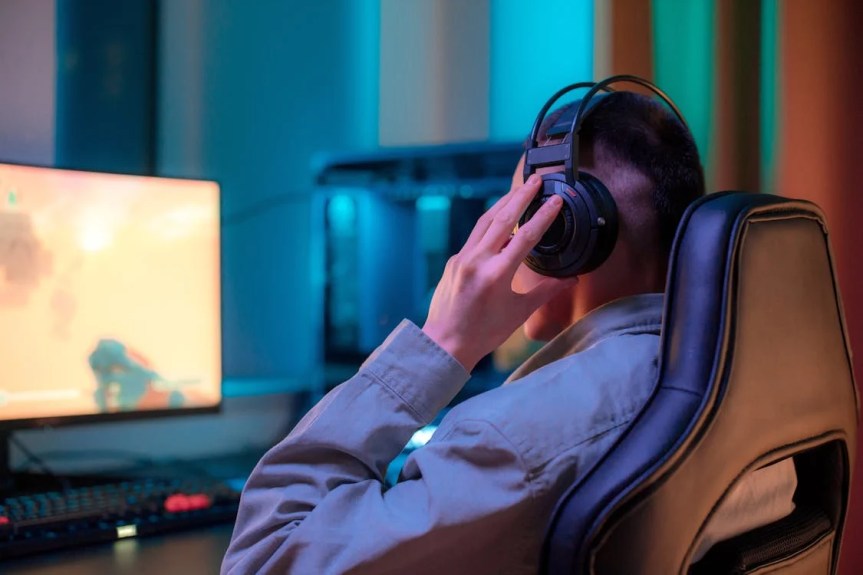
Gamers who play a lot may joke about being addicted to video gaming, but as of 2018, gaming addiction has been classified as a real disorder. Last year dozens of lawsuits against gaming companies were filed, claiming the gaming industry’s practices led them to a gaming addiction. Big gaming companies like Activision Blizzard, Epic Games, Microsoft, Roblox, Nintendo, and Sony Interactive Entertainment have all been targets.
What Defines a Gaming Addiction?
Gaming addiction, or gaming disorder, is a behavioral condition where a person prioritizes gaming over essential activities such as work, school, or relationships. The World Health Organization (WHO) officially recognized gaming disorder in 2018, defining it as a pattern of gaming behavior characterized by impaired control, increasing priority given to gaming, and continuation despite negative consequences.
Signs of Gaming Addiction
Identifying gaming addiction can be tricky, as it’s not just about how many hours someone spends playing. Key signs include:
- Loss of Control: Inability to cut back on gaming, even after realizing its negative impact.
- Neglecting Responsibilities: Avoiding work, school, or household duties in favor of gaming.
- Withdrawal Symptoms: Feeling irritable, anxious, or restless when unable to play.
- Physical or Mental Health Issues: Experiencing fatigue, sleep deprivation, or increased anxiety due to excessive gaming.
- Social Isolation: Neglecting friends, family, and hobbies to spend more time gaming.
Why Gaming Can Be Addictive
Video games are designed to be rewarding. From leveling up and earning achievements to exploring endless challenges, the sense of accomplishment can create a dopamine rush that reinforces the behavior. Online multiplayer games can also foster a sense of belonging and competition, making it hard for players to log off.
The people suing the game companies claim the games are intentionally designed with the help of behavioral psychologists and neuroscientists in a way that keeps people playing longer and spending more and more money.
The majority of these lawsuits were filed by parents concerned about their children’s video game addictions. I know plenty of parents who have had a hard time dealing with their kid’s obsession with games like Roblox and Fortnite!
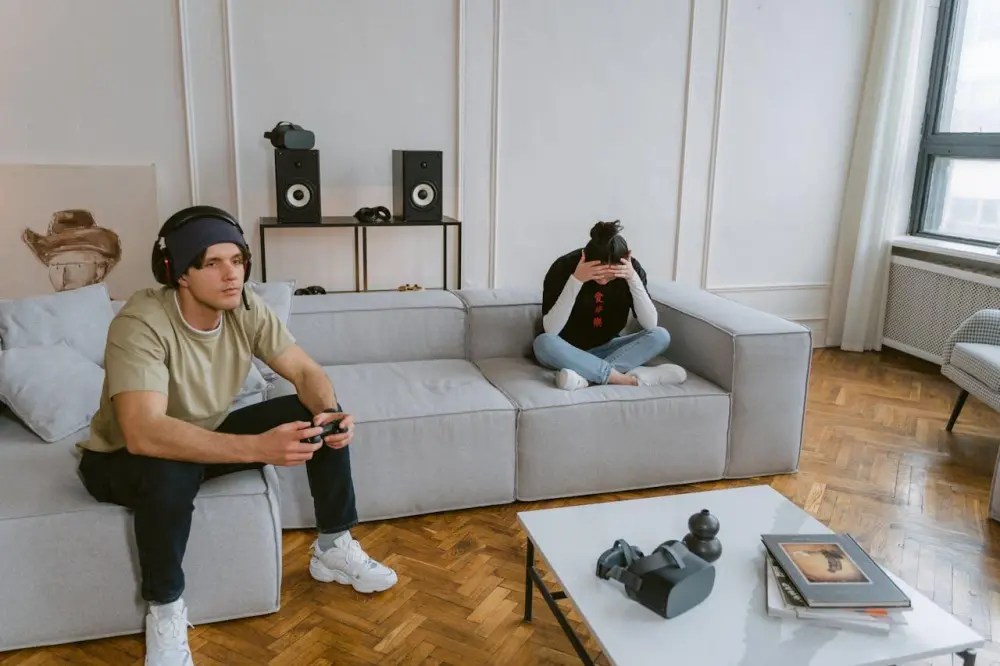
The Impacts of Gaming Addiction
Gaming addiction can affect various aspects of life:
- Health: Sleep deprivation, eye strain, and lack of exercise are common issues.
- Relationships: Neglecting family and friends can lead to strained or broken relationships.
- Finances: Some gamers overspend on in-game purchases or subscriptions.
- Career or Education: Poor performance at work or school often stems from excessive gaming.
Finding Balance and Seeking Help
For those concerned about gaming addiction, balance is key. Setting time limits, scheduling gaming-free days, and reconnecting with offline activities can help. If gaming continues to disrupt life, reaching out to a counselor or therapist specializing in behavioral addictions is a positive step.
Gaming should be a source of joy and connection—not stress or harm. Recognizing the signs of gaming addiction is the first step toward regaining control and enjoying games responsibly.
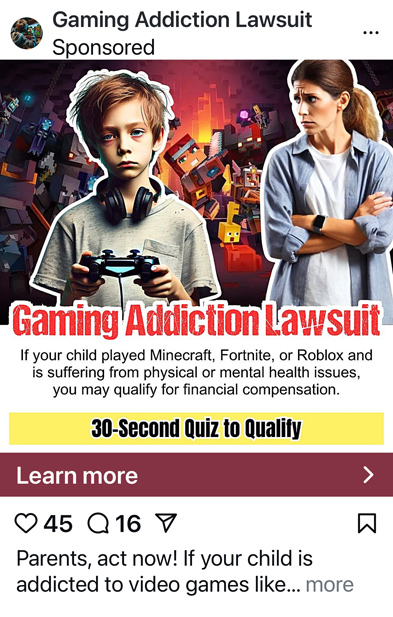
*As a side note, since I wrote this post, these ads keep popping up on my social media accounts!
Discover more from Play It Again Mam
Subscribe to get the latest posts sent to your email.
 Play It Again Mam
2 thoughts on “Is Gaming Addiction a Real Thing?”