

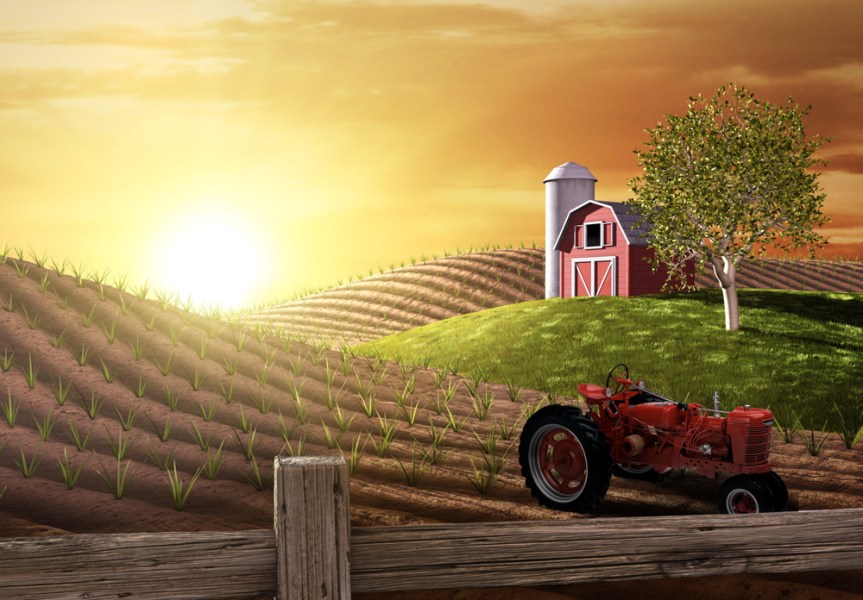
In the late 2000s, Facebook users couldn’t escape the colorful, pixelated charm of FarmVille. My grandmother was so obsessed with it, that at one point she was running five farms! So, what happened to FarmVille, and why did this once-beloved app fade into obscurity?
The Rise of FarmVille
Launched in June 2009 by Zynga, FarmVille quickly became a cultural phenomenon, captivating millions with its addictive gameplay centered around planting crops, tending animals, and building virtual farms.
At its peak, the game boasted over 83 million monthly active users, making it one of the most popular Facebook games of all time. It was hard to escape people on Facebook asking you to play the game.
Why Was FarmVille So Popular?
FarmVille’s success can be attributed to its simplicity and accessibility. The game was free to play, leveraging Facebook’s burgeoning social network to attract users.
Players could invite friends to join, send and receive gifts, and visit each other’s farms, fostering a sense of community. Its gameplay loop of planting crops and harvesting them on a schedule created a compelling reason for players to return daily. And it kept them on Facebook constantly!
Microtransactions also played a significant role in FarmVille’s revenue model. While the game was free, players could spend real money on premium items, speeding up tasks or decorating their farms. This model became a template for countless other social games in the future.
The Decline of FarmVille
Despite its early success, FarmVille’s popularity began to wane in the mid-2010s. Several factors contributed to its decline:
- Shift in Facebook’s Ecosystem: Facebook made changes to its platform, limiting the visibility of game notifications. This reduced the viral spread of games like FarmVille, which relied heavily on players inviting friends and sharing updates. Personally, I recall blocking a LOT of games!
- Rise of Mobile Gaming: As smartphones became ubiquitous, players gravitated toward mobile games like “Candy Crush Saga” and “Clash of Clans.” These games offered more polished experiences tailored to mobile devices, diverting attention from Facebook-based games.
- Repetitive Gameplay: While initially engaging, FarmVille’s gameplay loop grew monotonous over time. Players began to lose interest as the game offered little innovation to keep them hooked.
- Flash Technology: FarmVille was built on Adobe Flash, a technology that became outdated and was officially discontinued in December 2020. This forced Zynga to shut down the original FarmVille, as it was no longer supported on modern browsers.

The Legacy of FarmVille
Although the original FarmVille was discontinued, its legacy lives on. Zynga released sequels such as “FarmVille 2” and “FarmVille 3,” transitioning to mobile platforms to adapt to changing gaming trends. These games maintain the spirit of the original but are designed for a mobile-first audience.
FarmVille also paved the way for the rise of social gaming, showing the potential of combining casual gameplay with social interactions and microtransactions. Its influence can be seen in modern mobile games and even in newer farming simulators like “Stardew Valley” and “Hay Day.”
FarmVille’s rise and fall serve as a reminder of how quickly trends can change in the gaming industry. While it may no longer dominate our social media feeds, its impact on the gaming landscape and its nostalgic value remain undeniable. For many, FarmVille will always be a cherished memory of Facebook’s early days, when tending virtual crops and sharing farm updates were the height of online fun.
Discover more from Play It Again Mam
Subscribe to get the latest posts sent to your email.
 Play It Again Mam
2 thoughts on “What Happened to FarmVille? The Rise and Fall of Facebook’s Farming Phenomenon”