

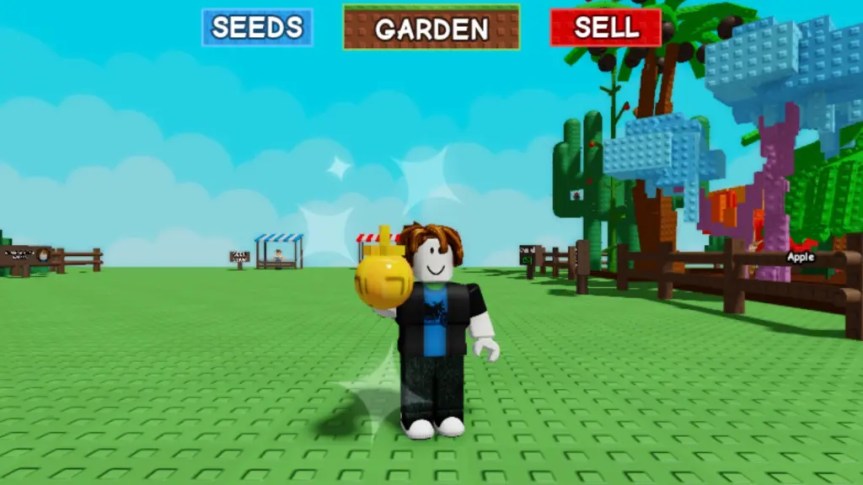
My son’s latest obsession on Roblox is playing Grow a Garden, and it’s totally giving me FarmVille flashbacks. If you hear your kids talking about selling their mutated plants for 7 billion dollars, they’re playing GaG!
Grow a Garden has become one of Roblox’s most talked-about experiences, attracting millions of players with its simple yet rewarding gameplay loop. Part farming simulator, part idle game, it offers players the chance to plant crops, manage resources, and steadily expand their gardens over time.
What Is Grow a Garden?
Launched as a small project by a 16-year-old developer, Grow a Garden quickly became a viral success. Players begin with a basic plot of land and a small amount of in-game currency, known as Sheckles.
From there, they can purchase seeds, plant them, and sell the harvest for profit. The game runs in real time, with crops continuing to grow even when the player is offline (just like FarmVille), making it appealing to both active and casual players.
The title has achieved remarkable popularity, at one point surpassing 21 million concurrent players—an unprecedented figure in Roblox’s history.
Why Kids Are So Obsessed With It
Grow a Garden taps into several elements that make it particularly appealing to younger audiences:
- Constant Rewards – The short growth cycles and frequent shop refreshes create a steady stream of achievements. Players feel progress quickly, which encourages them to keep returning. My son gets SO excited when he sells something for big bucks. Or big Sheckles, I guess.
- Accessible Gameplay – The controls and objectives are easy to grasp, making it simple for even new Roblox users to start playing without frustration.
- Social Influence – The game’s popularity on TikTok, YouTube, and among school friend groups fuels its visibility. Kids often join because they see peers sharing progress, rare crops, or big sales.
- Low Pressure – Unlike competitive Roblox games, Grow a Garden doesn’t penalize mistakes heavily. This relaxed pace lets kids enjoy experimenting without fear of losing.
- Chance-Based Excitement – The possibility of rare crop mutations or big market sales adds a “lottery” element that keeps players curious and invested.
Together, these factors create a loop of accessibility, social engagement, and constant reward that keeps younger players coming back daily.
Key Gameplay Features
- Seed Purchasing and Crop Growth
Seeds are available in the shop, which refreshes every five minutes. Players must plan purchases carefully to make the most of limited stock and maximize profit. - Tools and Upgrades
Equipment such as watering cans and sprinklers improve growth speed and yield. Upgrades are essential for scaling production. - Weather Effects and Mutations
Weather events like rain and thunderstorms can boost plant growth and trigger rare crop mutations. Gold and Rainbow mutations significantly increase the sale value of produce, with odds of 1% and 0.1% respectively. - Special Events and Pets
Updates often introduce themed events, recipes, and collectible pets. For example, the “Kitchen Storm” update added cooking mechanics and rare equipment, while certain pets offer production bonuses.
Accessible Yet Competitive
While many Roblox games focus on fast-paced action, Grow a Garden offers a slower, more strategic experience. The combination of idle progression, resource management, and the chance of high-value crop mutations keeps players engaged. Its accessible gameplay makes it appealing to younger audiences, while the optimization strategies attract more competitive players.
Tips for Grow a Garden Success
- Prioritize crops with multiple harvests, such as strawberries or blueberries, for better returns over time.
- Use dense layouts for smaller crops and allocate adequate space for larger ones.
- Pay attention to weather forecasts to take advantage of growth boosts.
- Participate in events to access limited-time rewards and upgrades.
- Invest in equipment upgrades early to speed up progression.
What Parents Need to Know
For parents, understanding how Grow a Garden works can help set healthy boundaries and avoid surprises.
Content & Safety – The game is family-friendly, with no violence or inappropriate themes. Social interaction is limited to Roblox’s built-in chat system, which has moderation tools, but parents can adjust privacy settings in their child’s Roblox account for added control.
In-Game Purchases – While Grow a Garden can be played entirely for free, players can spend Robux (Roblox’s paid currency) to buy rare seeds, cosmetic items, or speed up progression. Parents may want to discuss spending limits or disable in-app purchases to avoid unplanned charges.
Time Management – Because crops grow continuously, players may feel the need to check in frequently. Setting playtime windows or using Roblox’s parental controls can help balance game time with homework, chores, or offline activities.
Social Pressure – The game’s popularity among peers means children may feel motivated to keep up with friends’ progress. Encouraging them to play for fun rather than competition can help keep the experience positive.
Final Thoughts
Grow a Garden demonstrates how a simple concept, executed well, can achieve massive popularity on Roblox.
By blending idle mechanics with light strategy and regular content updates, it has carved out a unique space among the platform’s most played titles. For kids, its easy learning curve, steady rewards, and social visibility make it especially compelling.
For parents, understanding the game’s mechanics and monetization can ensure that their child enjoys it safely and in moderation.
Discover more from Play It Again Mam
Subscribe to get the latest posts sent to your email.
 Play It Again Mam