

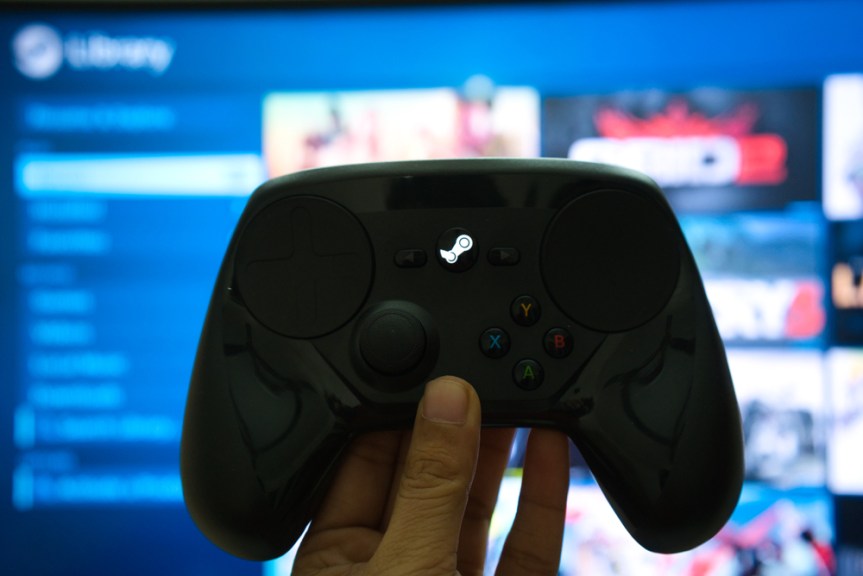
Valve is bringing Steam hardware back into the spotlight with a new lineup announced for 2026. If you’ve been searching “Steam Machine 2026,” you’re not imagining things—Valve’s own Steam Hardware page explicitly teases new hardware coming in 2026 and frames it as an expansion of the Steam Hardware family.
This post covers what the 2026 Steam Machine is, what it’s expected to look like, what it comes with, the specs being reported so far, and what you’ll be able to play on it.
Who Is Valve?
Valve is a major player in the gaming industry, best known for creating Steam, the world’s largest digital PC game distribution platform. Founded in the mid-1990s, Valve is also responsible for iconic game franchises like Half-Life, Portal, Team Fortress, and Dota.
Unlike traditional console manufacturers, Valve doesn’t rely on annual hardware cycles or exclusive titles to drive sales. Its focus has long been on open platforms, user choice, and long-term ecosystems.
That philosophy shows up clearly in its hardware experiments, including the Steam Controller, Steam Deck, and earlier versions of the Steam Machine.
What Is a Steam Machine?
A Steam Machine is essentially a console-style gaming PC designed to run Steam on a television. The original concept was introduced to bring PC gaming out of the office and into the living room without requiring users to build or manage a full desktop computer.
Rather than behaving like a closed console, a Steam Machine is built to feel simple on the surface while remaining flexible underneath. It runs SteamOS, Valve’s Linux-based operating system, and is designed for controller-first navigation while still supporting deeper customization.
Is a 2026 Steam Machine Officially Confirmed?
The newest official model is the one Valve has announced for 2026—that’s the current “latest” Steam Machine in the sense that it’s the newest announced generation.
Older Steam Machines from the 2010s were discontinued years ago and were mostly made by third-party PC manufacturers.

What Would It Look Like?
A modern Steam Machine would almost certainly be compact and understated. Expect a small, console-sized box designed to sit under a TV or on a media shelf rather than a large PC tower. There would be no built-in screen, as the system’s purpose would be powering a TV or monitor.
Design priorities would likely include quiet cooling, clean airflow, and a neutral appearance that blends into entertainment setups instead of standing out.
Expected Hardware and Performance
Nothing has been confirmed, but expectations are based on current PC hardware trends and the performance gap between consoles and the Steam Deck. A new Steam Machine would likely offer significantly more power than handheld hardware, making higher resolutions and smoother frame rates more realistic.
Most speculation points toward AMD-based components, solid-state storage, ample memory for modern games, and support for performance scaling technologies that make 4K gaming more accessible on a TV.
Because Steam Machines function like PCs, storage upgrades and peripheral flexibility would likely remain part of the experience.
What Would Come With It?
If Valve revives the Steam Machine, it would likely ship with the console itself, power and display cables, and SteamOS already installed. Controller support would be central to the experience, though Valve has historically avoided forcing users into a single control option.
Keyboard and mouse support would still be expected for users who want it, especially for strategy games or desktop-style use.
What Can You Play on a Steam Machine?
This is where the Steam Machine stands apart from traditional consoles. Instead of starting a new library from scratch, players would have access to their existing Steam accounts and game collections.
That includes indie games, major releases, multiplayer titles, and controller-friendly PC games. Many Windows-based Steam games already run on SteamOS through compatibility layers, and users could also take advantage of streaming, emulation tools, and cloud gaming services depending on their setup.
SteamOS and the Living-Room Experience
SteamOS has evolved into a polished, TV-friendly interface with full controller navigation. It can feel like a console when you want it to, but it also allows users to switch into a desktop-style environment for more advanced tasks.
This dual nature is a major reason the Steam Machine concept still resonates. It offers a relaxed, couch-based gaming experience without removing the options PC gamers value.
Why the Steam Machine Still Matters
The renewed interest in a Steam Machine isn’t about nostalgia. It’s about demand for a system that fits naturally into a living room while still offering freedom, ownership, and flexibility.
For gamers already invested in Steam, a modern Steam Machine could offer a compelling middle ground between consoles and traditional PCs—simple enough for the couch, powerful enough for serious gaming, and open enough to grow with the user.
Discover more from Play It Again Mam
Subscribe to get the latest posts sent to your email.
 Play It Again Mam
One thought on “The 2026 Steam Machine: What We Know, What’s Rumored, and Why It Matters”